Flooring materials for Minnesota houses
What each one is good at, what it costs installed here, and the rooms where it is the wrong answer.
Eight kinds of floor
What each one is good at, what it costs installed here, and the rooms where it is the wrong answer.
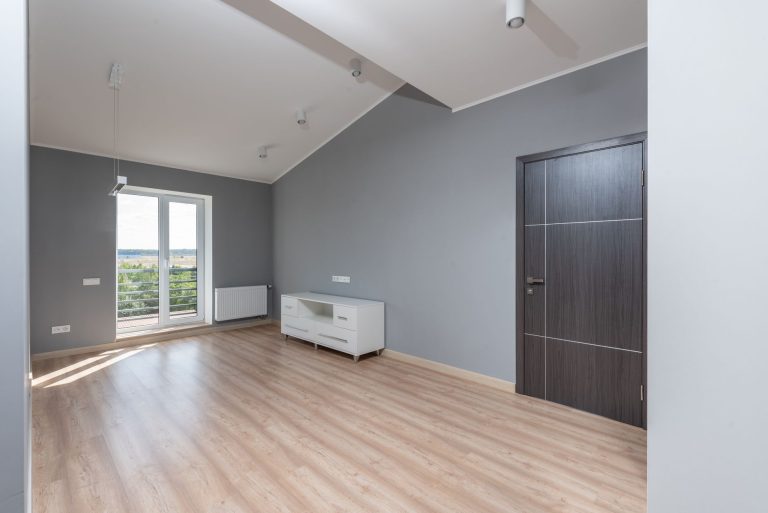
Hardwood
Solid and engineered. Still the best resale return on this list.
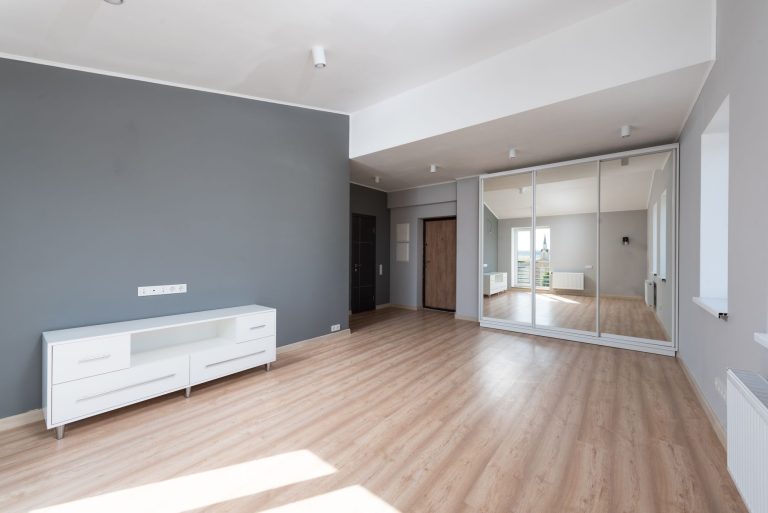
Luxury Vinyl Plank
Waterproof, and the usual answer below grade.
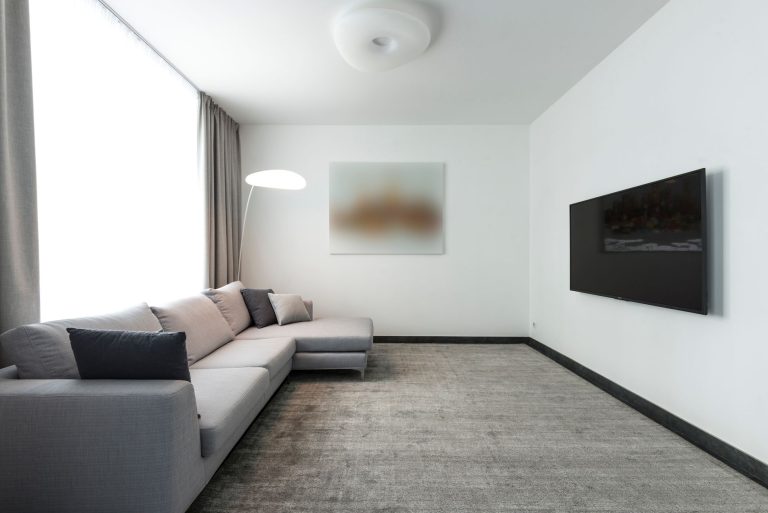
Carpet
Bedrooms, lower levels and the coldest rooms in the house.
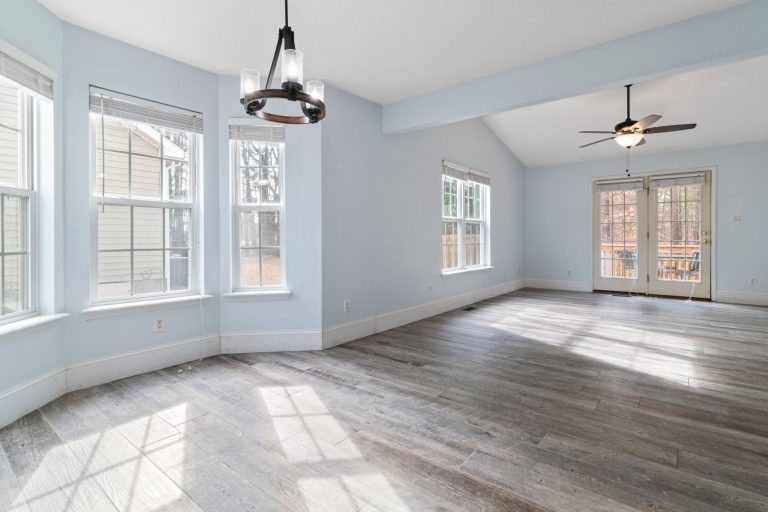
Refinishing
Sand, stain and seal the boards already under the carpet.
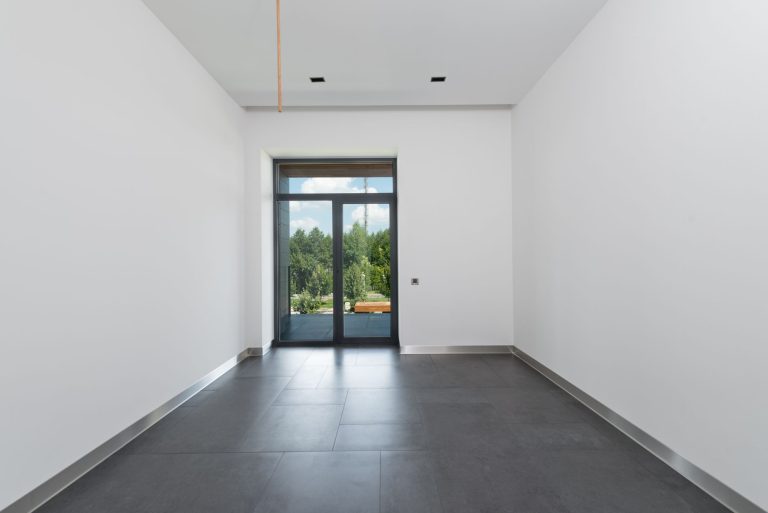
Tile & Porcelain
Entries and mudrooms that take salt and snowmelt all winter.
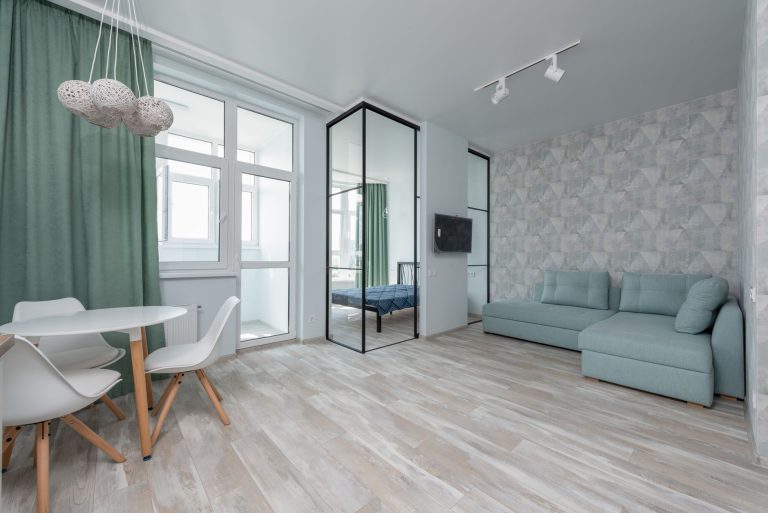
Laminate
The budget end done properly — and where it is a false economy.
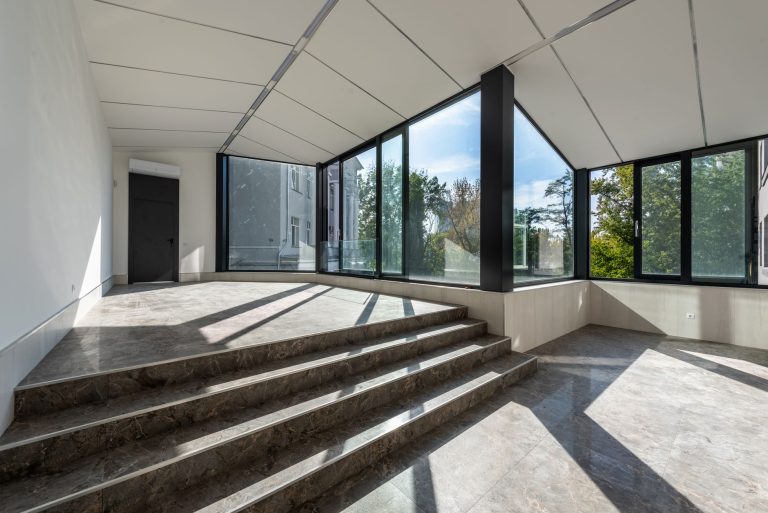
Natural Stone
Foyers and hearths, where the floor does the talking.
Stairs & Landings
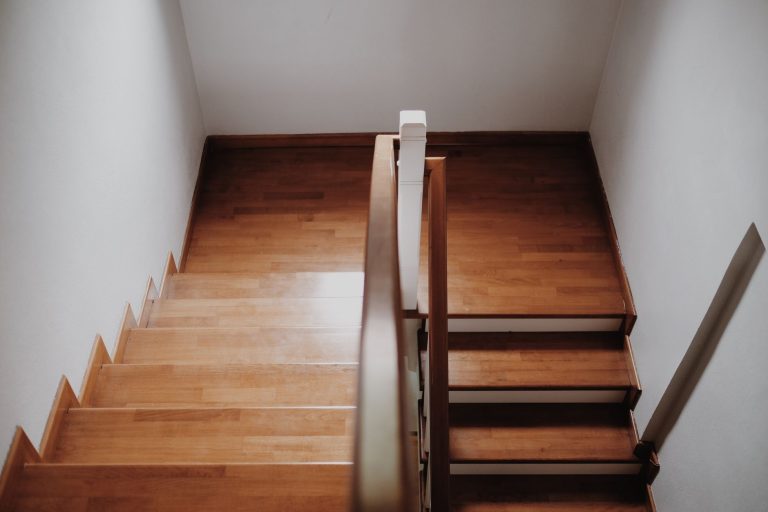
Treads, risers and railings, split-level included.
Installed ranges across Minnesota
Materials and labor together. The Twin Cities metro sits at the top of each band; Duluth, St. Cloud and greater Minnesota sit at the bottom.
| Work | Installed range | |
|---|---|---|
| Hardwood, installed | $6 – $22 | per sq ft |
| Luxury vinyl plank | $2 – $12 | per sq ft |
| Carpet, installed | $2 – $8 | per sq ft |
| Laminate | $3 – $9 | per sq ft |
| Refinish existing boards | $3 – $8 | per sq ft |
| Tile, installed | $9 – $15 | per sq ft |
| Removing the old floor | $1 – $4 | per sq ft |
An estimate, not a quote. These are planning ranges for Minnesota, not a quote. What you actually pay depends on your rooms, your subfloor and the material you choose.
Choosing between them
In a Minnesota house the choice is narrowed by the building far more than by taste. Three
questions settle most of it:
- Is it below grade? If yes, wood products are out — that means solid hardwood
and laminate — and rigid-core luxury vinyl plank or tile is the answer. - What is the subfloor? A diagonal plank subfloor takes nailed solid hardwood
and carpet directly. Everything else wants an underlayment or an overlay first, and that is a real
cost. How to identify yours. - How much does the floor move? Old joists deflect, and rigid materials crack.
Tile and stone in an older house need a deflection check before a product is chosen, not
after.
And one that comes before all three: is there already a hardwood floor under the
carpet? In a great many Minnesota houses there is, and
refinishing it costs roughly a third of replacing it.
Questions people actually ask
Does my flooring contractor need a license in Minnesota?
Usually not, and that is legal. Minnesota licenses residential building contractors and remodelers through the Department of Labor and Industry, but the requirement is triggered by working in two or more special skills. A contractor who only installs flooring provides one skill and is exempt by statute. Check insurance, references and the written contract instead — those are the real checks in this state.
What flooring works in a Minnesota basement?
Luxury vinyl plank in most cases — waterproof, stable across the temperature swing, and it floats over a concrete slab. Carpet works in a dry, finished lower level with a below-grade rated pad and a vapor barrier. Solid hardwood does not belong below grade here.
Why do my floorboards gap every winter?
Months of heated indoor air is very dry, and wood gives up moisture and shrinks. Gaps that open in deep winter and close by summer are normal seasonal movement. Whole-house humidity in the 30–40% range through the heating season keeps it in check.
Why is flooring cheaper in greater Minnesota than in the Twin Cities?
Material is a national commodity and costs about the same everywhere. Labor is not, and it is the only part of an installed price that genuinely varies across the state. The Twin Cities metro sits at the top of each band; Duluth, St. Cloud and rural counties sit at the bottom.